
Avila Ops / Guides / AI
AI prompts: 7 image effects ready to copy
Seven image-editing prompts translated into English, tested on a real person’s photo and written to preserve identity, clothing and framing. Copy a prompt, replace the text in brackets and run it in the tool you already use.
Reviewed on August 26, 2026
Contents
01 Chrome void effect 02 Clone effect 03 Action figure effect 04 Graphic profile poster 05 Halo effect 06 LEGO effect 07 Minecraft food effect
How to use these without wasting time
1. Choose the right photo
Start with a sharp, well-lit photo with the framing you want in the result. A good prompt does not fix a bad photo: it preserves what is already there. For full-body effects, use a full-body photo.
2. Upload the image before the text
All prompts below assume an attached reference image. Upload the photo first, then paste the prompt so the model treats the text as editing instructions rather than a request for a new image.
3. Replace the text in brackets
Sections such as [CLOTHING] and [PALETTE] are fields to fill in. Describing clothing, color and setting in your own words helps the model preserve the person’s identity rather than invent a generic face.
4. Repeat what must not change
The prohibitions at the end of each prompt, such as no text, no watermarks and no extra people, may seem redundant. They are what most reduces rework. If something goes wrong, repeat the restriction rather than rewrite the entire prompt.
01
Chrome void effect
Liquid chrome sculptures growing around the person.
Before 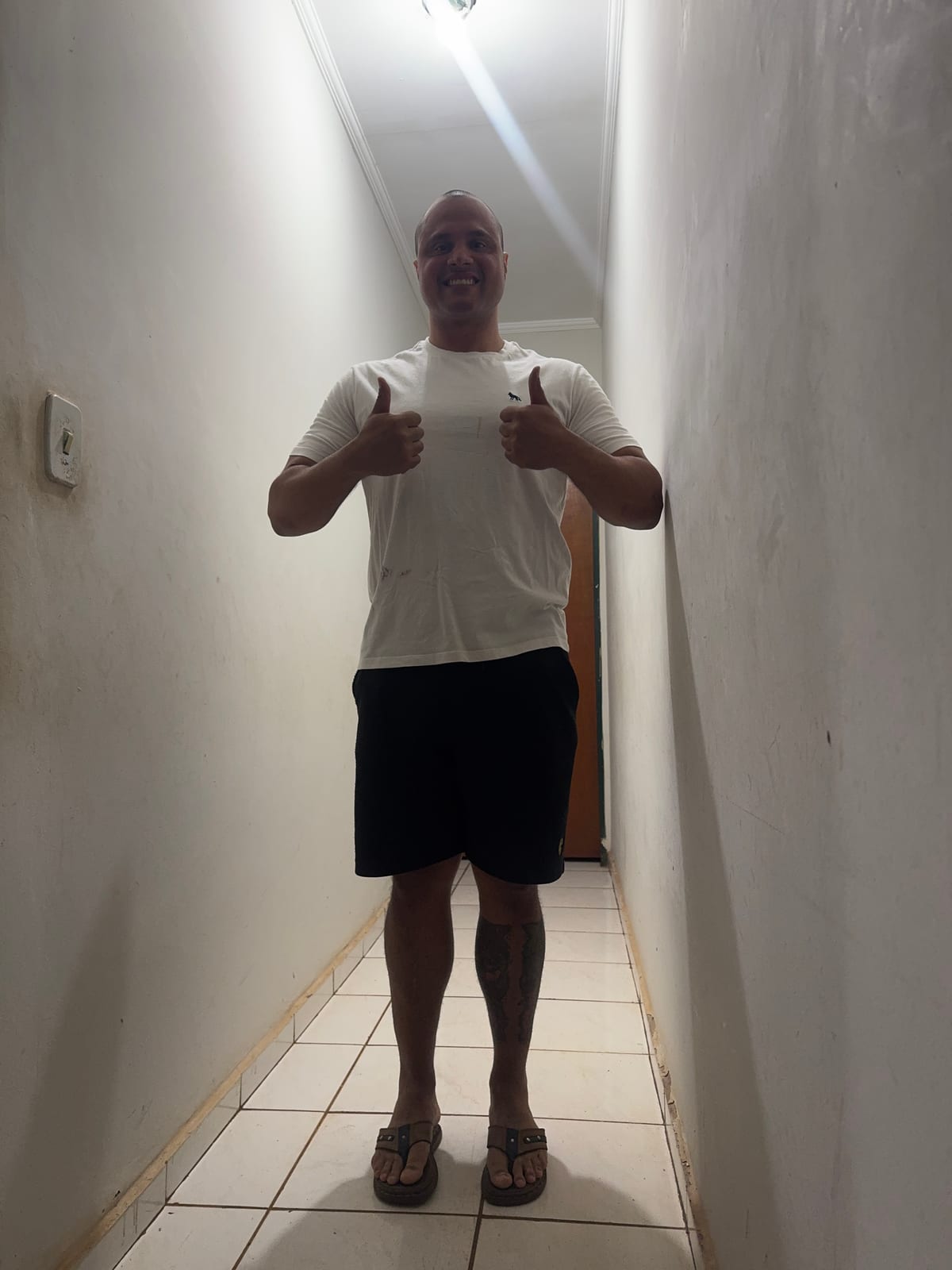
After Gemini 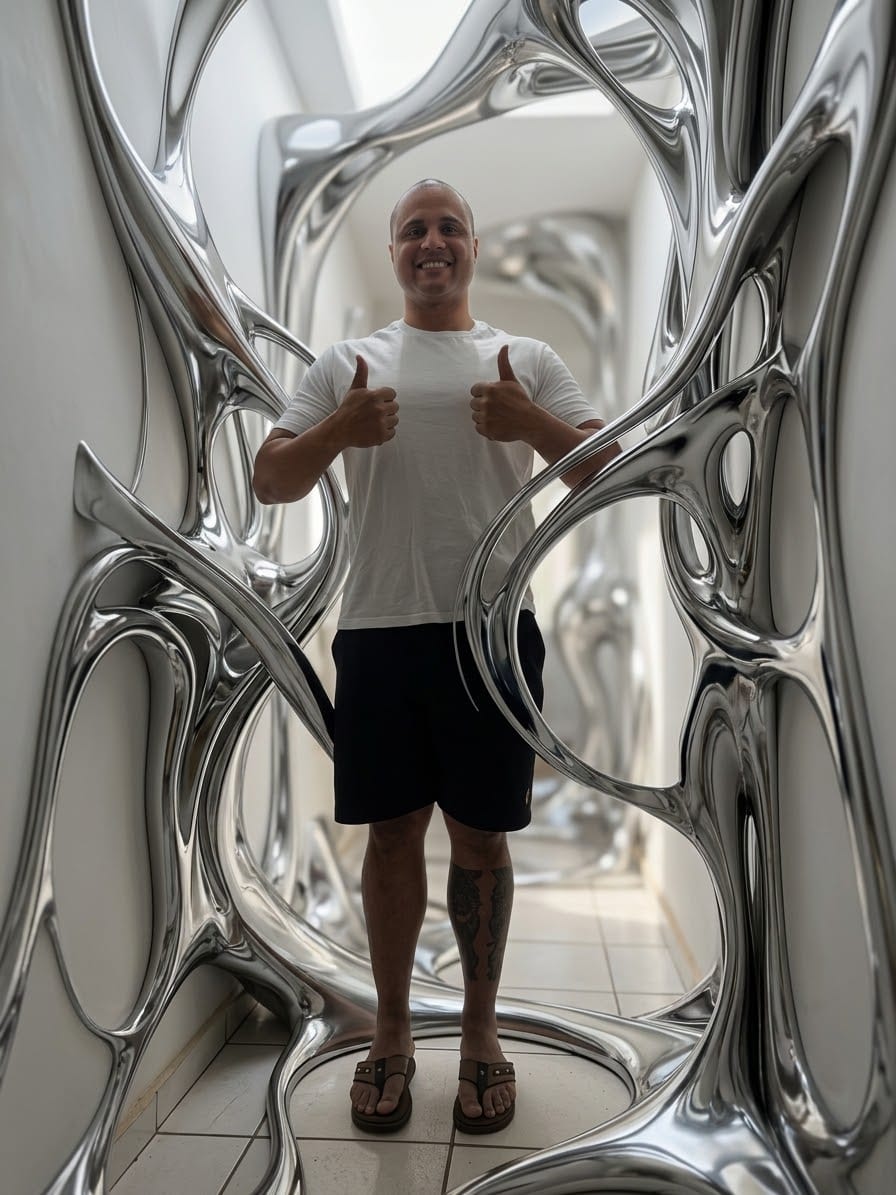
After ChatGPT 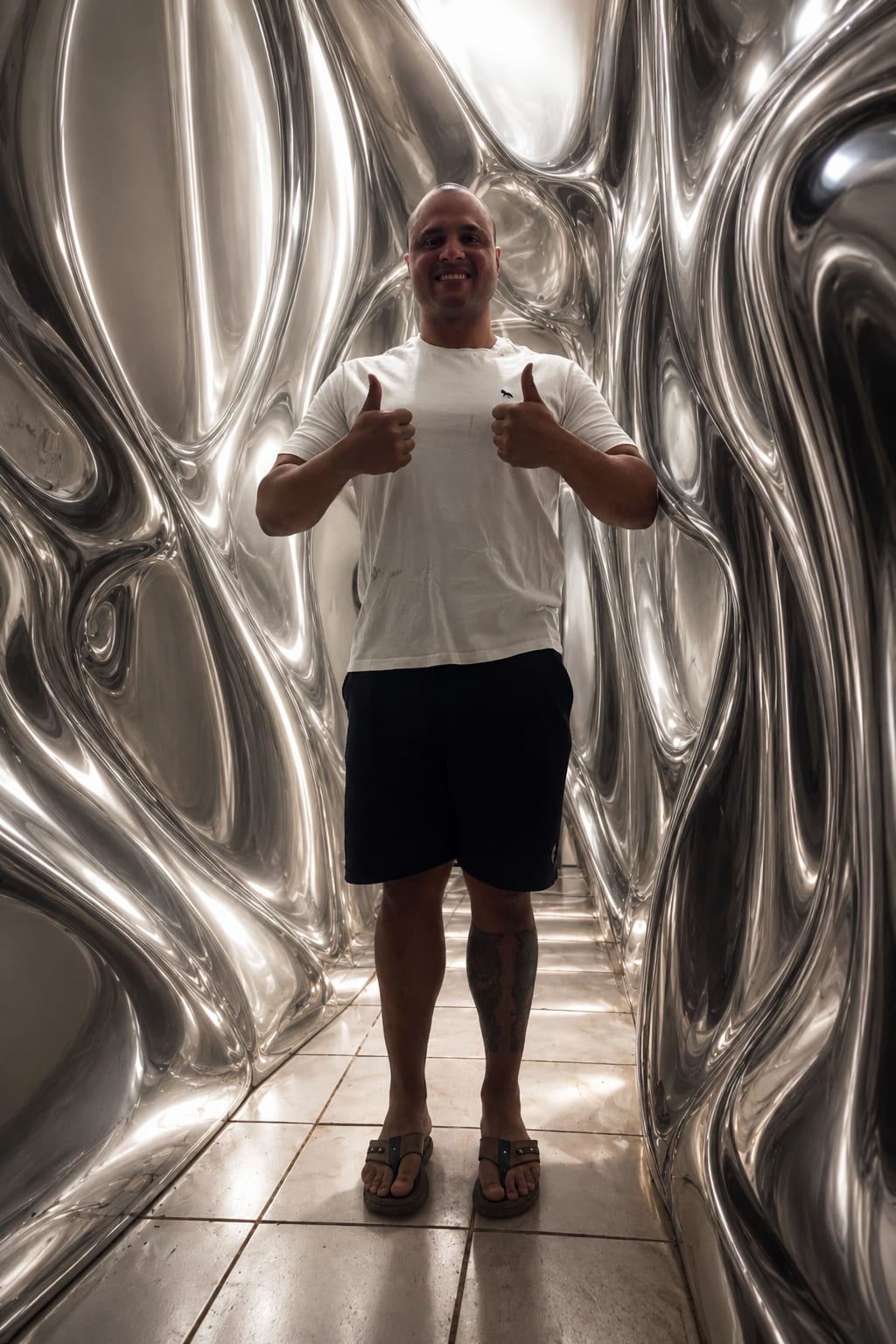
When to use it: Fashion campaigns, premium product launches and content covers that need to stop the feed without changing the person’s identity.
Prompt
Transform this image into a premium surreal fashion edit, preserving the person's identity, facial features, hairstyle, skin tone, clothing, body proportions and camera angle exactly as they are. Do not replace any clothing, accessory or facial detail. Keep the subject perfectly sharp, photorealistic and naturally integrated.

Create a surreal yet realistic composition around the subject with large-scale organic liquid chrome structures inspired by fluid metal, abstract biomorphic shapes and futuristic sculptures. The chrome should appear to grow naturally around the subject without covering important parts of the face or physical features. Add realistic reflections, soft shadows, depth and perspective so the metal shapes feel physically present. Keep the environment clean and minimalist while integrating the chrome elements seamlessly.

Use soft natural daylight with cinematic contrast and subtle highlights. Create a luxury fashion magazine aesthetic similar to Vogue, Numéro and Highsnobiety. Preserve the original clothing and skin colors. Do not add extra people, text, logos, watermarks or unnecessary objects.

The final image should look like a high-end AI fashion campaign, with ultra-realistic detail, sharp textures, high-quality HDR, 8K resolution and editorial quality. Use deliberate editing, premium color grading, dramatic depth of field and professional commercial photography.- Works best with a full-body photo and a simple background such as a plain wall, sand or asphalt.
- If the chrome covers the face, repeat the instruction not to cover facial features in the prompt’s first line.
02
Clone effect
The same person repeated several times in the same scene.
Before
After
When to use it: Showing a small team doing the work of many, operational scale, service capacity and job ads.
[CLOTHING]
Describe the original photo’s clothing piece by piece, for example: white sweater, loose black pants, white sneakers.
Prompt
Cinematic surreal cloning photography using the uploaded reference image as the source of exact identity.

CRITICAL IDENTITY LOCK: the person in the uploaded reference image must be replicated exactly. This is not a close resemblance. Preserve the same facial structure: face shape, jawline, cheekbones, forehead, eye shape, eyebrows, nose shape, lips, skin tone, hair color, hairstyle, hair texture, makeup if any, age, gender, ethnic appearance, body proportions and overall look. Preserve the same clothing: [CLOTHING]. Preserve the exact same identity in every clone. Do not replace the face with a generic model. Every version is the same identical person.

Scene: a large urban concrete plaza in the late afternoon, with warm light and long shadows. Create several clones of the same person standing, walking or turning in different directions.

Camera: cinematic wide-angle lens from a high angle, slightly above eye level but not so high that the face becomes unrecognizable. The central person should be standing facing the camera with hands in pockets, while other clones are positioned throughout the scene, walking in various directions.

Depth of field: deep enough to keep all clones clearly visible. The central clone must be perfectly sharp and in focus, with all exact facial details.

Lighting: natural late-afternoon golden light with long, soft shadows.

Style: cinematic and realistic, with film-style color grading.

Background: a large empty concrete plaza or urban sidewalk, with warm late-afternoon light and bright minimalist pavement around it.

The result should look surreal but photorealistic. Preserve 100% of the reference person's exact identity in every clone. Do not change ethnicity, skin tone or fundamental features. Do not add extra people or unnecessary objects. Do not blur the face. Keep all clones sharp and consistent. High resolution, ultra-realistic, cinematic composition.- Describing clothing piece by piece is what keeps identity consistent across clones.
- A well-lit full-body reference greatly reduces facial distortion in background clones.
03
Action figure effect
The person becomes a collectible plastic action figure.
Before
After
When to use it: Introducing a team, creating a campaign mascot, playfully referencing a famous case and making shareable content without a photo shoot.
Prompt
Transform the reference person into a high-quality collectible plastic toy figure, preserving the exact pose, facial expression, hairstyle, clothing colors, accessories, body position, camera angle, framing, composition and overall scene of the original image. The character should look like a premium-line figure rather than a mass-produced toy or cartoon.

Use smooth injection-molded ABS plastic, glossy painted surfaces, subtle mold seams, smooth crisp lines, visible ball joints at the shoulders, elbows, hips, knees, wrists and neck, and the slight simplified shine typical of toy anatomy. The head should be approximately 15 to 20% larger than realistic proportions while the body remains balanced as a premium collectible figure.

Translate the scene into a realistic diorama: painted hair with glossy sculpted ridges, clean molded eyelashes, eyebrows and clear plastic details instead of real hair, and a sculpted plastic face sharper than actual skin fibers.

Clothing must look like rigid molded plastic, preserving every wrinkle, fold, seam, logo, graphic and texture as sculpted detail rather than simulated fabric. Accessories should become toy-scale plastic pieces with clean painted finishes while retaining their original designs. Any weapons should become rigid translucent molded plastic, and jewelry should resemble miniature die-cast toy pieces.

Preserve the exact perspective, crop, features, light direction and composition of the original reference so it looks like a collectible miniature. Keep the same environment, objects, colors and spatial relationships found in the reference image.

The result should look like a genuinely manufactured action figure from a premium collectible line, with a packaging base, studio-quality plastic reflections, realistic product rendering (PBR), plastic realism, glossy highlights, indirect light, smooth gradients, sharp edges, vibrant colors, ultra-high resolution and a collectible finish.

No clay texture. No matte surfaces. No horror. No extra characters. No text. No watermarks. The final image should convincingly resemble a professionally photographed premium collectible toy rather than a cartoon frame.- Making the head 15 to 20% larger is the detail that makes the result read as a toy rather than a person dressed in plastic.
- A setting with a large object behind the person, such as a car, counter or building facade, helps AI build the diorama.
04
Graphic profile poster
A profile portrait translated into a four-color editorial poster.
Before
After
When to use it: Article covers, speaking-event announcements, authority-building posts and printed materials with a design studio aesthetic.
[CLOTHING]
For example: a black blazer over a white shirt.
[PALETTE]
The exact four colors, for example: paper beige, deep red, black and warm white.
[TITLE]
The person’s or brand’s name in uppercase.
[SUBTITLE]
Job title, talk topic or content name.
Prompt
Editorial poster featuring the person from the reference image in a strictly left-facing profile, cropped from the middle of the chest upward, retaining the reference hairstyle and face shape and wearing [CLOTHING]. Preserve recognizable facial structure, proportions and identity while translating them into classic editorial artwork.

Place the profile figure on the poster with a flat geometric circle directly behind the head to create graphic contrast. Use crisp flat shapes, facial features with controlled contour lines, halftone print grain and paper texture.

Build the poster with one dominant background color, a primary color and a secondary color, limiting the palette to exactly four colors: [PALETTE].

Add the minimalist title "[TITLE]" in the upper-left corner in a condensed uppercase sans-serif font, with the smaller line "[SUBTITLE]" directly beneath it. Clear hierarchy, generous negative space, polished composition.

Vertical 4:5 aspect ratio.- Specify the palette using color names rather than hex codes: the model is more accurate that way.
- A well-lit front-facing reference photo produces a better profile than an already side-facing photo.
05
Halo effect
Strong backlighting, a black background and a luminous outline around the subject.
Before
After
When to use it: A dramatic studio portrait without a studio: profile photos, behind-the-scenes content and highlighting a product held in the hand.
[OBJECT]
The highlighted object, for example: the ball, glass or product. Remove this part if there is no object.
Prompt
Portrait with strong glowing rim backlighting, subject in semi-silhouette against a black background, luminous halo outline around the body, bright halo outline around [OBJECT], cinematic high-contrast lighting, dramatic studio look, ultra-clean, 4K.- This is the shortest prompt in the list and the one most dependent on the original photo: the clearer the subject’s outline, the better.
- It also works as a finishing effect on top of another effect: run the halo afterward on the generated image.
06
LEGO effect
People become minifigures and the scene becomes a brick diorama.
Before
After
When to use it: Lighthearted team content, holiday posts, step-by-step process presentations and materials for family audiences.
Prompt
Use the supplied photo as a reference image. Transform the person or people into authentic classic LEGO minifigures. Preserve the original characteristics: number of people, pose, facial expression, hairstyle, clothing, outfit colors, accessories, relationships between subjects, camera angle, framing, background concept and overall composition.

Convert each person into an official-style LEGO minifigure only: a cylindrical yellow head with a classic printed LEGO face, yellow hands, short rectangular legs and integrated flat rectangular feet. Do not preserve realistic human proportions. Proportions are critical: legs must be short and sturdy in LEGO style, with thick short upper legs, flat wide lower legs and integrated feet.

Build the setting with LEGO pieces, matching colors and printed detail levels on legs and feet. For dresses, gowns, skirts, shirts, ties, coordinated outfits, tunics, robes, coats, clothing and uniforms, use classic minifigure-style LEGO printing. Printed skirts must be rigid, symmetrical and flat at the bottom. Do not show human legs beneath dresses, skirts, tunics, robes, coats or uniforms. Use molded LEGO pieces for accessories and bags.

Preserve recognizable details, watches, bags, hats, logos and accessories as simplified LEGO pieces. Rebuild the scene as a diorama based on the original photo. Keep the same background, made with LEGO bricks and scenery props.

Render as realistic LEGO toy photography: glossy plastic, realistic studio lighting, natural reflections, shallow depth of field and authentic minifigure scale.

No real humans, no real skin, no exposed human body parts, no human legs under LEGO clothing, no real fingers, no non-LEGO elements, no extra text, no watermarks.- The final list of prohibitions matters most: without it, the model returns a real person with a LEGO head.
- LEGO is a registered trademark. Use it for organic content and avoid paid ads or materials selling a product.
07
Minecraft food effect
Only the food and drink become blocks; everything else stays real.
Before
After
When to use it: Restaurants, cafes, delivery businesses and food services needing a playful post with a recognizable product.
Prompt
Transform ONLY the food and drinks in the original photo into authentic Minecraft-style voxel food, keeping everything else completely photorealistic.

The transformed food/drink must:
- Be recognizable and authentically Minecraft-styled rather than random.
- Keep its original shape, size and position.
- Use visible voxel texture with visible squares, no smooth edges, no shading or shine.
- Look like an official Minecraft item placed naturally in the real world.
- Float slightly, with a Minecraft item label above each food/drink, using:
  - Minecraft pixel font;
  - translucent black Minecraft box background;
  - pixelated borders;
  - the item icon on the left, if one exists.
- Labels must match the real foods shown in the image.
- Keep lighting and shadows consistent with the real scene.
- Hands, people, clothing, background, furniture and lighting must remain fully photorealistic.

Strict rules:
- Transform ONLY food/drinks.
- Do not add random Minecraft food.
- Background and people remain untouched.
- Labels must match the actual food in the image.- Name the dish in your request if the label is wrong: the model writes what it recognizes.
- Minecraft is a registered trademark of Mojang. Use it for organic posts and avoid paid campaigns.
Frequently asked questions
Which AI tools do these prompts work in?
All were written for image-editing models accepting a reference photo alongside text, such as Nano Banana (Gemini), ChatGPT with image generation, Midjourney with a reference image and Adobe Firefly. The text stays the same; where you attach the photo changes.
Do I have to pay to use them?
No. The prompts are free to copy and adapt. Any cost comes from your chosen AI tool; several have free plans with daily image limits.
Can I use these images in my company’s paid ads?
For generic effects, yes. For effects mentioning registered trademarks such as LEGO and Minecraft, the recommendation is to use organic content rather than paid campaigns or materials selling a product, because commercial use of a third party’s trademark may result in a notice.
Why does the person’s face change even when the prompt says to preserve it?
Usually for two reasons: the reference photo has low facial resolution, or the prompt asks for a scene too large for the original framing. Crop closer, describe the person in greater detail and reinforce the identity lock in the first line.
Can I use this in an organized approach to my company’s communications?
Yes, and that is the most useful approach. Instead of generating isolated images, establish a pattern: company reference photos, two or three approved effects and a publishing calendar. This is exactly the kind of operation Avila Ops organizes alongside websites, WhatsApp and Instagram.
Want to turn this into a content routine?
A standalone prompt makes one post. A consistent digital presence depends on a pattern: company reference photos, approved effects, a calendar and measurement. Avila Ops organizes these alongside websites, email, WhatsApp, Instagram and automation.
Related guides
How to get my company to appear in ChatGPT and AI tools How to use AI in customer service without violating the LGPD How to increase Instagram reach How to automate your company’s Instagram