
What is a store category for?
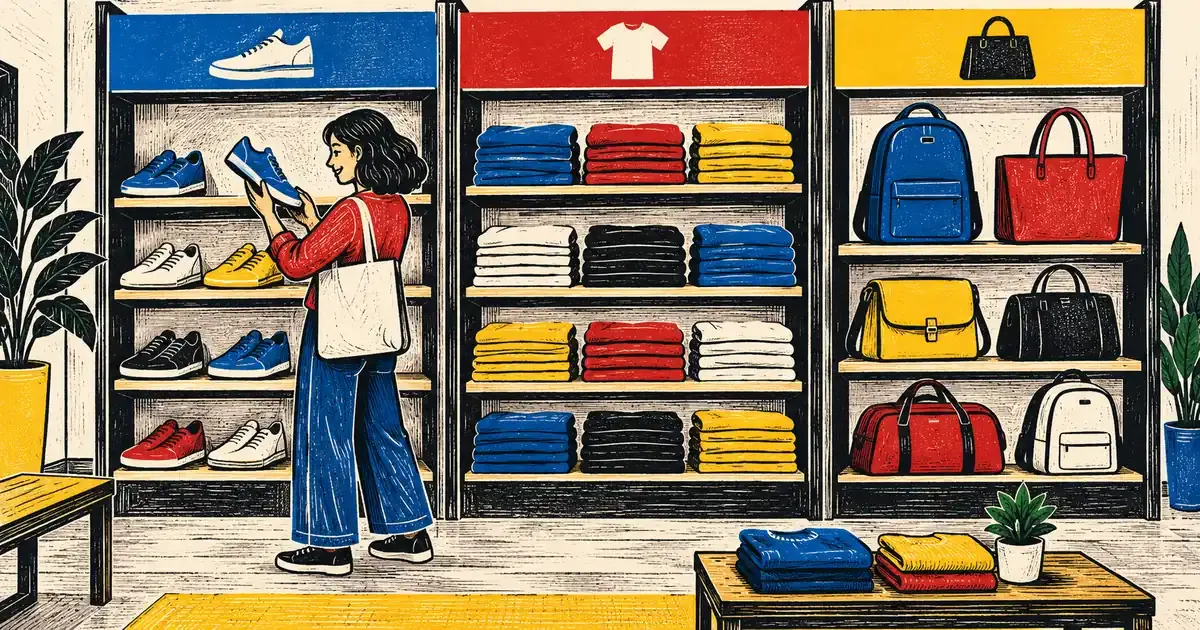
Photo: Avila Ops Tecnologia
A category is the path customers follow to products without search. It is the online store’s shelf: “Women,” “Kitchen,” “Supplements.” It helps people who do not know the exact product name and helps Google understand your store. Without categories, stores become lists; with wrong categories, mazes.
The right category shows customers 12 relevant products; without it, they scroll through 200 before giving up.
How do you organize around shoppers’ logic?
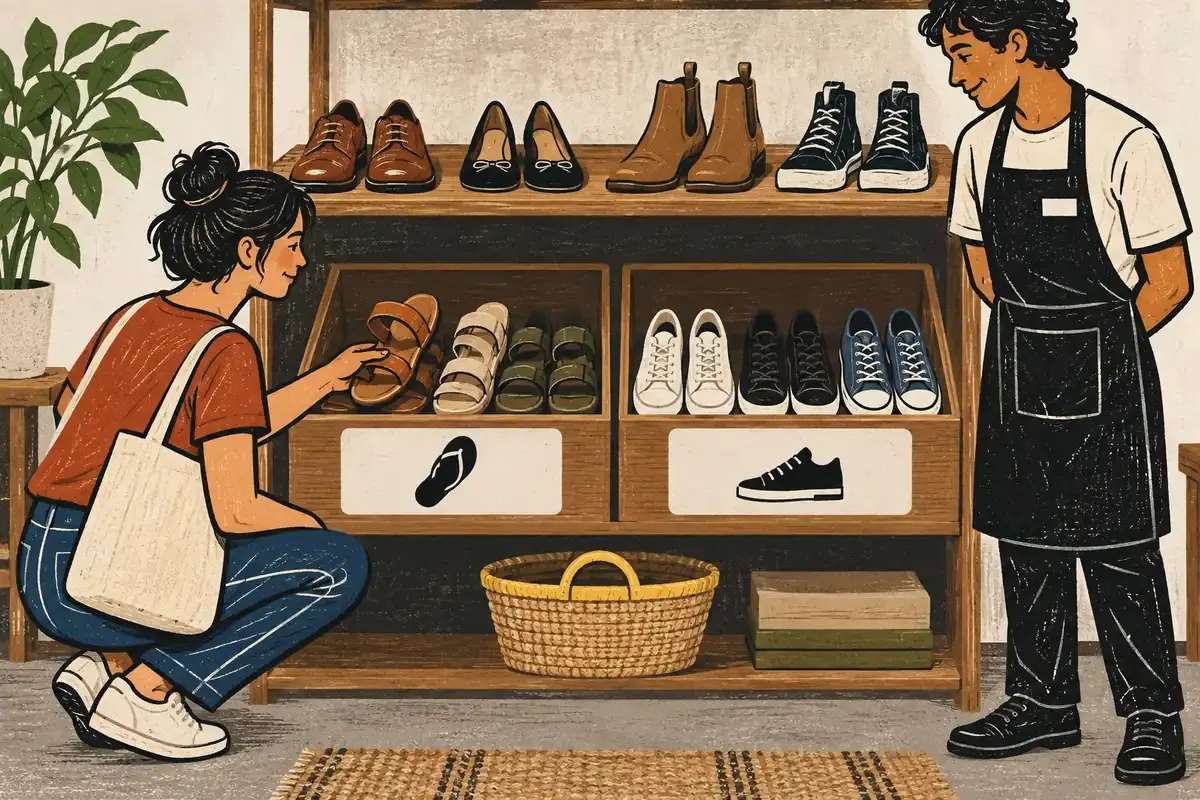
Photo: Avila Ops Tecnologia
The most common mistake is following inventory or supplier logic. Customers do not search for “2024 line” or “brand X”; they search by use. Ask:
- What do people type when looking for this? Use that word as the name.
- Can products belong to two categories? Yes, when it makes sense to shoppers. A thermos belongs in “Kitchen” and “Gifts.”
- How many levels? Two suffice for most stores: category and subcategory. Add a third only if each has enough products.
For a natural-products store with 80 items, “Grains,” “Flours,” “Teas,” “Supplements” and “Gluten-free” work better than “Line A,” “Line B” or supplier names. Merge categories containing only two products. A category with 150 needs subdivisions or filters, covered in in-store search and filters.
What do categories do for Google?
Each category is a page with its own address, title and product list. Google reads this as “this store has a tea section.” For “hibiscus tea” searches, category pages compete alongside product pages.
Name categories using customers’ words rather than invented brand language. “Hydration” says less than “Facial moisturizer.” The same applies to product names, explored in product titles: how customers search rather than what you call it.
What to do now
List your categories and write beside each what customers would type to find it. Rename mismatches. For a store live in one day with categories and filters prepared for your catalog, see avilaops.com/loja-virtual or WhatsApp wa.me/5517997811471.
Frequently asked questions
How many categories should a small store have?
Four to ten top-level categories cover most cases. Fewer can look empty; more will not fit a phone menu.
Can products belong to multiple categories?
Yes. Customers should find them regardless of their entry point. Platforms keep one product address even when listed in two categories.
Are “Sale” and “New arrivals” categories?
They are collections: temporary storefronts changing regularly. Keep products in their original categories and use collections as shortcuts.
Connections, made clear
From order to delivery, with every step in view.
An example of connecting E-Commerce with your team’s day-to-day work.
- OrderThe customer chooses items and places an order.
- ValidationCheck the details and product availability.
- ManagementSend the validated order to ERP.
- FulfillmentThe team prepares and dispatches the items.
- CustomerKeep the customer informed about next steps.
- Order. The customer chooses items and places an order.
- Validation. Check the details and product availability.
- Management. Send the validated order to ERP.
- Fulfillment. The team prepares and dispatches the items.
- Customer. Keep the customer informed about next steps.
Order
The customer chooses items and places an order.
Turn what you learned into your next step.
Tell us about your company and what you want to improve. We can explore the right tools, integrations or custom project together.